Ultimate Guide to Vitamin C Everything You Need to Know
- May 20
- 3 min read
Vitamin C is one of the most talked-about nutrients when it comes to health and wellness. Its reputation as a powerful antioxidant and immune booster has made it a staple in many diets and supplement routines. But what exactly is vitamin C, why does your body need it, and how can you make sure you get enough? This guide covers everything you need to know about vitamin C, from its benefits and sources to how much you should consume daily.
What Is Vitamin C?
Vitamin C, also known as ascorbic acid, is a water-soluble vitamin essential for various bodily functions. Unlike some animals, humans cannot produce vitamin C naturally, so it must come from the diet. This vitamin plays a critical role in:
Collagen production, which supports skin, cartilage, and bones
Wound healing and tissue repair
Enhancing iron absorption from plant-based foods
Supporting the immune system by protecting cells from damage
Because it dissolves in water, vitamin C is not stored in large amounts in the body. This means regular intake through food or supplements is necessary to maintain adequate levels.
Health Benefits of Vitamin C
Vitamin C offers several health benefits backed by scientific research:
Immune System Support
Vitamin C helps stimulate the production and function of white blood cells, which defend the body against infections. While it does not prevent colds, studies show it may reduce the duration and severity of symptoms when taken regularly.
Antioxidant Protection
As an antioxidant, vitamin C neutralizes free radicals—unstable molecules that can damage cells and contribute to aging and diseases like cancer. This protective effect supports overall health and may reduce the risk of chronic conditions.
Skin Health and Collagen Formation
Collagen is a protein that keeps skin firm and elastic. Vitamin C is essential for collagen synthesis, which helps maintain healthy skin and speeds up healing after injuries or sun damage. Some skincare products include vitamin C for its brightening and anti-aging effects.
Improved Iron Absorption
Vitamin C enhances the absorption of non-heme iron found in plant foods like spinach and beans. This is particularly important for vegetarians and vegans who rely on plant-based iron sources to prevent anemia.
How Much Vitamin C Do You Need?
The recommended daily intake varies by age, sex, and life stage. According to the National Institutes of Health:
Adult men need about 90 mg per day
Adult women need about 75 mg per day
Pregnant women require 85 mg per day
Smokers should consume an additional 35 mg daily due to increased oxidative stress
Consuming vitamin C above 2,000 mg per day can cause side effects like stomach upset and diarrhea, so it’s best to stay within recommended limits.
Best Food Sources of Vitamin C
Vitamin C is abundant in many fruits and vegetables. Some of the richest sources include:
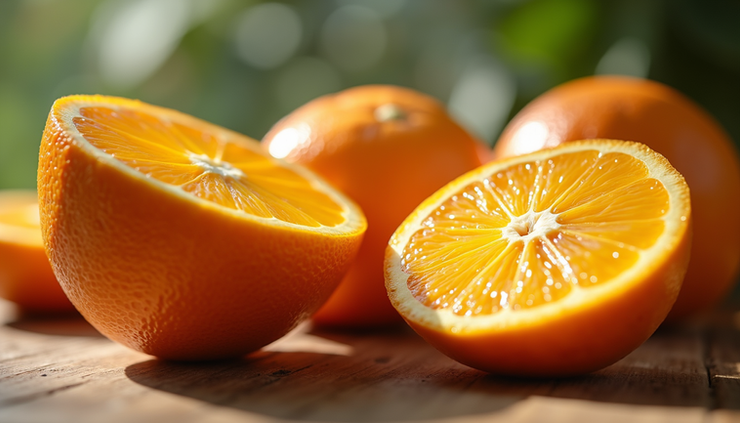
Oranges and other citrus fruits
Strawberries
Kiwi
Bell peppers (especially red and yellow)
Broccoli and Brussels sprouts
Tomatoes
Pineapple
Eating a variety of these foods daily can easily meet your vitamin C needs without supplements.

Vitamin C Supplements: When and How to Use Them
Supplements can help people who struggle to get enough vitamin C from food alone. This includes individuals with limited diets, certain medical conditions, or increased needs during illness or stress. Vitamin C supplements come in various forms such as tablets, capsules, powders, and chewables.
Before starting supplements, it’s wise to consult a healthcare provider, especially if you have health conditions or take other medications. Supplements should complement a balanced diet, not replace it.
Signs of Vitamin C Deficiency
Severe vitamin C deficiency leads to scurvy, a rare but serious condition characterized by:
Fatigue and weakness
Swollen, bleeding gums
Joint pain and swelling
Slow wound healing
Easy bruising
Milder deficiencies may cause symptoms like dry skin, frequent infections, and poor iron absorption. Most people in developed countries get enough vitamin C through diet, but certain groups like older adults, smokers, and people with malabsorption issues are at higher risk.
Tips to Maximize Vitamin C Intake
Eat fresh fruits and vegetables raw or lightly cooked, as vitamin C breaks down with heat and storage.
Include a variety of colorful produce to cover different nutrient needs.
Add lemon or lime juice to meals to boost iron absorption.
Consider vitamin C-rich snacks like strawberries or bell pepper slices instead of processed snacks.
Vitamin C is a simple but powerful nutrient that supports many aspects of health. By understanding its benefits and sources, you can make informed choices to keep your body strong and resilient.



Comments